
Shopify Development Partners for Your Store
Starting an online store is an exciting step for any business. With the rapid growth of e-commerce, more companies are moving their products and services online to reach a wider audience. Platforms like Shopify make it easier to create and manage an online store, but building a professional and high-performing store still requires technical knowledge and experience. This is why many businesses choose to work with Shopify Development Partners. These experts help businesses create attractive, fast, and reliable online stores that provide a smooth shopping experience for customers. By working with professionals, businesses can focus on growing their brand while developers take care of the technical side of the store. Understanding Shopify Development Partners Shopify Development Partners are developers, designers, and agencies who specialize in building and improving Shopify stores. They have strong knowledge of the platform and know how to use its tools, themes, and apps effectively. Their main goal is to help businesses create online stores that look professional and function smoothly. From designing the store layout to integrating payment gateways and shipping options, these experts handle many important tasks that make an online store successful. For businesses that want a custom and professional website, working with experienced developers can make a big difference. Why Businesses Work with Shopify Experts Although Shopify is a user-friendly platform, creating a fully optimized store still requires time and technical skills. Many businesses begin building their store on their own but later realize they need expert help to improve design, speed, and functionality. Working with Shopify Development Partners helps businesses avoid common mistakes and ensures that their store is built correctly from the start. Experts understand e-commerce best practices and know how to design stores that attract customers and increase sales. Another reason businesses hire professionals is efficiency. Setting up an online store includes many tasks such as adding products, setting up payments, configuring shipping, and customizing the theme. Experienced developers can complete these tasks faster and more effectively. Services Offered by Shopify Experts Professional developers offer a variety of services to support online businesses. Shopify Development Partners typically help with store development, theme customization, app integrations, and performance optimization. One of the most common services is building a Shopify store from the ground up. This includes setting up the store structure, uploading products, configuring payment methods, and making sure the website works properly across different devices. Another important service is theme customization. Every brand has its own style and identity, and developers can customize Shopify themes so the store reflects the brand’s personality and values. Developers also help integrate useful apps that improve store functionality. These apps may help with marketing automation, inventory tracking, customer support, or analytics. With the right integrations, managing an online store becomes much easier. In addition, many experts help businesses migrate their existing stores from other platforms such as WooCommerce or Magento to Shopify while keeping important data safe. How CodeIncsolutions Helps Businesses Companies like CodeIncsolutions provide professional Shopify development services to help businesses build strong online stores. With experience in e-commerce development, CodeIncsolutions focuses on creating stores that are fast, secure, and easy for customers to use. From store setup and theme customization to app integration and ongoing support, the team at CodeIncsolutions helps businesses launch and manage their Shopify stores with confidence. Their goal is to deliver reliable solutions that support long-term growth. Working with an experienced team ensures that your store is built using best practices and modern development techniques. Benefits of Working with Experienced Developers Hiring professionals to build your online store offers many advantages. Experienced Shopify Development Partners know how to create websites that are visually appealing and easy to navigate. A well-designed store improves the customer experience. When customers can easily find products and complete their purchases without problems, they are more likely to trust the brand and return for future shopping. Another major benefit is performance optimization. Slow websites can lead to lost customers and lower sales. Developers ensure that the store loads quickly and works smoothly on both desktop and mobile devices. Professional development also helps businesses prepare for growth. As traffic and orders increase, the store must be able to handle more visitors without slowing down. Choosing the Right Development Partner Choosing the right development team is very important for the success of your online store. Businesses should look for developers who have strong experience with Shopify and a portfolio of successful projects. Good communication is also essential. A reliable partner will understand your business goals and provide solutions that match your needs. Many businesses also prefer developers who offer ongoing maintenance and support after the store launch. This ensures that the website stays updated, secure, and ready for future improvements. The right Shopify Development Partners will not only build a store but also help create a strong foundation for long-term e-commerce success. Conclusion Building a successful online store requires more than simply choosing an e-commerce platform. Design, functionality, speed, and user experience all play an important role in attracting customers and increasing sales. Working with Shopify Development Partners allows businesses to create professional online stores that are reliable and scalable. With the right expertise, businesses can focus on marketing and growth while their store runs smoothly. If you want to build a powerful Shopify store for your business, working with experienced professionals like CodeIncsolutions can help turn your idea into a successful online store.
Best SEO Search Optimization Company
Living in the digital world, characterized by hyper-competition, an excellent product or service is not enough. Without your target audience being able to find you on the internet, your business is practically invisible. It is there that a reputable SEO search optimization company comes in, and that is where Code Inc Solutions has earned its reputation as one of the most efficient and outcome-oriented digital marketing agencies in the business. Be it a startup that is looking to make a presence online and/or a well-established company that is looking to take over the search engines, your selection of who to partner with in SEO engine optimization may be the most effective decision that you make in business development. What Is SEO, and Why Is It Important? Search Engine Optimization (SEO) can be defined as the process of improving the ranking of a site on search engines such as Google, Bing, and Yahoo without necessarily spending a lot of money on every single click. Google has billions of searches that are taking place daily, and therefore, it is a huge opportunity that businesses seize to draw high-intent traffic. SEO is, however, not about just cramming keywords in your web pages anymore. Modern SEO engine optimizationis a complicated combination of technical perfection, the high quality of the content, authoritative link development, the optimization of user experience (UX), the optimization of the Core Web Vitals performance, and the organization of the content based on artificial intelligence (AI). The regulations have been very dynamic, and only those who change survive. That is why involving the services of experienced SEO providers in India, especially Code Inc Solutions, means that businesses are provided with a clear advantage. Who Is Code Inc Solutions? Code Inc Solutions is a comprehensive digital marketing and technology company that has extensive knowledge in SEO search optimization, web building, pay-per-click advertising, content marketing, and others. As a company of enthusiastic digital strategists, data analysts, and content creators, Code Inc Solutions has continued to provide quantifiable growth to clients regardless of their industry, whether it is e-commerce and healthcare or real estate and SaaS. The key distinction of Code Inc Solutions lies in its straightforward yet effective philosophy for developing SEO strategies. Each strategy is crafted based on data, creativity, and measurable business outcomes, rather than solely focusing on rankings. The company provides tailor-made SEO packages, reporting, and dedicated account management, which have made it one of the most requested SEO companies in India and a company that businesses globally will prefer to work with. Basic SEO services to be provided by Code Inc Solutions. Technical SEO Assessment and Optimization. It is important to have a proper technical basis before any strategy implementation can take place. Code Inc Solutions conducts thorough audits of the aspects of site speed, mobile responsiveness, structured data markup, crawlability, indexation issues, canonical tags, XML sitemaps, and Core Web Vitals—all of which are vital aspects in the existing ranking algorithm of Google. Their technical SEO team also makes sure that it is not only consumer-friendly but also completely search engine bot-friendly to crawl, comprehend, and rank effectively. On-Page SEO Search Optimization. On-page SEO search optimization encompasses all that transpires directly on your website, including the positioning of keywords and optimization of meta tags, structure of headings, internal linking, and alt text of images. Code Inc Solutions has followed the latest E-E-A-T guidelines (Experience, Expertise, Authoritativeness, Trustworthiness) to develop on-page content that appeals to both users and search engines. Their content specialists collaborate directly with their clients to determine the appropriate keywords, such as high-volume and low-competition long-tail keywords, and incorporate them into persuasive conversion-oriented web copy in a natural manner. Link Building and Off-Page SEO. Off-page SEO is arguably one of the most difficult aspects of search engine optimization to accomplish. Creating quality, relevant backlinks with authoritative sites will make Google perceive your website as a reliable source in your specialization. The relationship of Code Inc Solutions with the media has been developed well, and the company has invested in white-hat link acquisition methods such as guest posting, digital PR, broken link building, and resource page outreach. All the backlinks obtained are topical, authoritative, and within the Webmaster Guidelines of Google; the ranking will be improved on a long-term level. Local SEO Local SEO is essential for businesses that want to attract customers in specific cities or geographic areas. Code Inc Solutions specializes in Google Business Profile optimization, local citation building, geo-targeted keyword strategies, and review management.These services help businesses appear in the Google Map Pack and local search results. Strong local visibility increases foot traffic, calls, and qualified leads.This service is especially valuable for healthcare providers, restaurants, law firms, retail stores, and service-based businesses. We support both local and international clients who want to strengthen their regional presence. E-Commerce SEO The sale of products online requires a special process of search optimization through SEO. Code Inc Solutions has a long history of optimizing product pages, category organization, faceted search, product schema markup, and shopping feed optimization on such systems as Shopify, WooCommerce, and Magento. The e-commerce search marketing mechanisms will attract qualified traffic that converts, not casual traffic. SEO Blogging and Content Marketing. In the digital world, content is king. The SEO experts at Code Inc Solutions understand this well.Their editorial team creates high-quality, SEO-friendly content. This includes blog posts, pillar pages, infographics, video scripts, and case studies.Each piece is designed to drive organic traffic and attract natural backlinks. Over time, this content strengthens brand authority and delivers long-term value. Why Select Code Inc Solutions as Your SEO Business Partner? Proven Track Record Code Inc Solutions has assisted more than 30 companies to rank on the first page of Google in 3 to 6 months of business. Their case studies show a steady increase in organic traffic, ranking of keywords, domain authority, and above all, revenue. Open and fair dealings. Code Inc Solutions follows strict white-hat SEO practices in an industry often filled with black-hat tricks and
How to Measure SEO ROI in 2026

You must know whether it is working in case you are pumping money and time into the SEO. This is the question many business owners are unable to answer; they want to know whether their investment in SEO is paying off. The solution is to know how to measure the SEO ROI in the right way. Code Inc Solutions assists businesses in monitoring their search engine optimization and justifies the costs of their optimization. In this step-by-step guide, we will demonstrate to you the exact steps of measuring the SEO ROI in 2026 with simple and actionable steps that anyone can follow. What Is SEO ROI, and What Does It Mean? SEO ROI (Return on Investment) informs you of how much money you are making in comparison with how much money you are spending on SEO. It is easy to calculate: when you have invested $1,000 in SEO and earned 5,000 in revenue out of it, the ROI is positive. Knowing your ROI in SEO is a way of making wise business choices. Should you invest more in SEO? Is your present strategy effective? What are the SEO strategies with the greatest success? Only in case you measure SEO ROI can you answer these questions. SEO is a long-term investment as opposed to paid advertising, where the results are instant. This allows making its ROI a little bit more complicated, yet necessary to develop the business. The Basic Formula to Measure SEO ROI Before we get into the details, let’s understand the basic formula: SEO ROI = (Revenue from SEO – Cost of SEO) / Cost of SEO × 100 For example, if you spent $2,000 on SEO in a month and generated $10,000 in revenue from organic traffic, your calculation would be: ($10,000 – $2,000) / $2,000 × 100 = 400% ROI This means for every dollar you invested in SEO, you got back $4. That’s a fantastic return! However, calculating the actual numbers requires understanding what counts as costs and how to attribute revenue to SEO. Calculating Your SEO Costs In order to calculate the SEO ROI correctly, you have to be aware of the amount you are spending. The following are the key cost categories: Agency or consultant fees: In the case of an SEO firm such as Code Inc Solutions, the highest cost is usually this. Add all monthly retainer charges or project-related expenses. In-house employee cost: When you have people employed to do SEO, get their wages and the ratio of time they dedicate to the work of SEO. SEO Tools and Software: Sum up subscriptions to such tools as SEMrush, Ahrefs, Moz, or Google Search Console (some of them are free). Creation Costs: Content: The cost of content in the form of payment to writers, designers, and video creators. Technical Costs: Include costs for on-site optimization, improvements on hosting, or development work required due to SEO. Costs of Link Building: In case you are paying to do outreach, guest posting, or PR to get your links, add this cost. Having a good grasp of the cost calculations will enable you to calculate the SEO ROI precisely and base your investment decision on it. Tracking Revenue from SEO Here is where the interest arises. You must relate your organic traffic to real income. Here’s how: Establish Goal Tracking in Google Analytics: Establish goals for all of your valuable actions on your site, such as purchases, form submissions, phone calls, downloads, and newsletter signups. Every objective must be allocated a financial worth. Enable E-commerce Tracking: To use e-commerce tracking, you have to run a web store online and enable e-commerce tracking in Google Analytics. 4. This will automatically keep up with the revenue created through transactions, and you will see the precise amount of money organic traffic brings in. Monitor Conversion Offline: SEO does not just make online sales. The search could lead people to you, and then they may call or visit your store. Record this data by using call tracking software and inquiring of the customers about the way the customers heard about you. Monitor Assisted Conversions: There are cases where individuals find you in the organic search but make a conversion in another medium. Google Analytics displays such assisted conversions, providing you with the full image of the impact of SEO. Code Inc Solutions thinks that you should have a complete tracking set in place before you even begin to measure the SEO ROI. And unless you properly track, you are guessing. Key Metrics to Monitor for SEO ROI Beyond the basic ROI calculation, several metrics help you understand your SEO performance in 2026: Organic Traffic Growth: Track how many visitors come to your site from search engines. Use Google Analytics to see trends over time and identify which pages attract the most organic traffic. Keyword Rankings: Monitor where you rank for important keywords. Moving from page three to page one of Google dramatically increases traffic and revenue. Track both your target keywords and the long-tail variations people actually search for. Conversion Rate from Organic Traffic: It’s not just about traffic volume. What percentage of organic visitors take desired actions? If your conversion rate is low, you might be ranking for the wrong keywords or your landing pages need improvement. Customer Lifetime Value (CLV): Customers acquired through SEO often have higher lifetime value because they found you while actively searching for solutions. Calculate how much revenue a typical organic customer generates over their entire relationship with your business. Cost Per Acquisition: Divide your total SEO costs by the number of customers acquired through organic search. Compare this to other marketing channels to understand SEO’s relative efficiency. Revenue Per Visitor: Divide total revenue from organic traffic by the number of organic visitors. This metric shows how valuable your organic traffic really is. Using Attribution Models to Measure SEO ROI In 2026, customer journeys are complex. Someone might discover your brand through organic search, come back via social media, and finally convert through a
Facebook Ads Conversion Rate Optimization Guide

When you are doing Facebook Ads and your budget is draining without any tangible results, you are not alone. This is a thorn in the flesh of many businesses: they get clicks, and these clicks do not translate into customers. The good news? A correct conversion rate optimization strategy will enable you to increase your ROI by a drastic margin. We have assisted numerous companies in improving their Facebook Ads performance at Code Inc Solutions. This is a detailed guide, which we will take you through, on how to better optimize your Facebook Ads in order to achieve better conversions. What is the definition of Conversion Rate Optimization? We shall start with the fundamentals before we sink into the deep. Conversion rate optimization (CRO) is the act of increasing the number of individuals who act on the preferred action upon clicking your advertisement. This activity may be purchasing something, registering for an email, downloading an e-book, or completing a contact form. An example is, when you have 100 people clicking your Facebook ads and 5 people purchase, then your conversion rate will be 5 percent. CRO aims to have that number higher in terms of more adverts without necessarily having to pay more. Why Conversion Rate Optimization Is Important to Facebook Ads. Consider it in the following way: when you are paying 1000 on Facebook Ads and acquiring 10 customers, it is 100 dollars per customer. However, when you maximize your conversion rate and acquire 20 customers at the same cost of 1000 dollars, then you have reduced the customer acquisition cost by 50 percent. And that is conversion rate optimization. Code Inc Solutions has had businesses doubling or even tripling their returns just by adopting smart strategies of CRO without the need to raise their advertising budget. Knowing Your Performance Now. You will not be able to increase your Facebook Ads conversion rate before knowing your status. Here’s what to track: Click-Through Rate (CTR): It indicates the number of people who have clicked your advertisement. When CTR is low, it is not an attractive ad. Conversion Rate: This is the percentage of individuals who perform your desired action of desire after clicking. This is your main CRO metric. Cost Per Conversion: The amount that you are spending on each conversion. Lower is better. Return on Ad Spend (ROAS): The amount of revenue per dollar of advertisements. All these metrics are available in the Ads Manager of Facebook. Take time to know what you have at present, since you cannot improve what you do not measure. Aiming at the Right Audience. The biggest mistake that businesses make when using Facebook Ads is displaying their ads to everyone. This is wastage and conversion killers. Begin by developing extensive customer profiles. Who is your ideal customer? What are their interests, age bracket, location, and behaviors? Facebook targeting is extremely potent when applied appropriately. With the Lookalike Audiences option on Facebook, it is possible to identify individuals who are like your best current clients. This has proven to be one of the best targeting strategies in enhancing the conversion rates at Code Inc Solutions. However, Custom Audiences should not be forgotten. It is possible to retarget individuals who have visited your site, subscribed to your Facebook page, or subscribed to your email list. These are hot audiences, which nearly always convert as compared to cold traffic. Development of Irresistible Ad Creative. The first thing that people see is your ad creative, and this must be able to capture attention at once. The following is how to convert ads: Have High-Quality Pictures or Videos: Fuzzy and generic stock images can no longer suffice. Use real, catchy images that are connected with what you sell. Write Concise, Advantageous Copy: It is not just features that you need to list. Describe the way in which your product or service has fixed a problem or made the life of your customer better. Speak with easy words that anybody can follow. Included Powerful Call-to-Action: Be specific about what you want to be done. Any of the following can be considered a clear CTA, and it will lead to action: “Shop Now,” “Learn More,” “Get Your Free Guide,” or “Start Your Free Trial.” Test Multiple Variations: Develop multiple versions of your ad by using various images, headlines, and copy. Allow the Facebook algorithm to define the best-performing one. How to maximize your landing pages. This is a very important fact: Facebook Ads are half the war. When one clicks your ad and arrives at a busy or slow-loading page, he or she will not convert. Your landing page must be related to your message and design in the ad. When your advertisement is offering a 50 percent discount, then make sure that it appears at once on the opening page. This is what adds credibility and enhances conversions. Keep your landing pages straightforward. Eliminate the navigation menu and other distractions. All the elements on the page must direct the visitors to your conversion point. Speed matters tremendously. Use more than three seconds to load your page, and you will lose potential customers. To determine the problem with loading, Code Inc Solutions suggests applying such tools as Google PageSpeed Insights to fix the problems. Make sure that your landing pages are mobile-friendly. The majority of Facebook users use their mobile phones to browse, and therefore, your pages must be appealing, and they should work well on mobile phones. Using Facebook Pixel Effectively The Facebook Pixel is a small piece of code you install on your website that tracks visitor actions. This tool is essential for conversion rate optimization. The Pixel allows you to track which ads lead to conversions, create retargeting audiences, and optimize your campaigns for specific actions. Without it, you’re flying blind. Set up conversion events for all important actions: purchases, sign-ups, add-to-carts, and more. This data helps Facebook’s algorithm show your ads to people most likely to convert. A/B Testing Your Facebook Ads Never assume you
How To Excel at SEO for Niche Markets
Search engine optimization (SEO) for niche markets is no longer a bonus in the digital world but the only survival tactic. Competition with the giants in the industry may appear as a challenge, but niche markets present a special chance for companies to control their areas of expertise on the internet. We have assisted thousands of businesses in changing their niche market presence at Code Inc Solutions due to the effective implementation of SEO, and we are here to show you the way to success. Knowledge of the Niche Market Advantage. It is important to find out why niche markets are such a good opportunity in terms of SEO success before getting into tactics. In contrast to the broad markets, where you are competing with companies that have a million-dollar marketing budget, in the niche market, you have the opportunity to become the expert in a certain field. Your niche strategy gives you an edge, whether you are selling handmade leather journals, offering tailored legal services to tech startups, or offering organic pet food to exotic animals that the rest of your competitors just can’t compete with. The niche SEO is beautiful because it is specific. When a person is typing in the search query of vegan leather journals made of recycled paper, they are not only window shopping but are actually willing to make a purchase. The volume of this type of highly targeted search is often lower, but the conversion is much higher, since the intention is made crystal clear. Fast Niche Keyword Research. Any successful search engine optimization strategy should be based on the knowledge of how your audience is searching for solutions. In the case of niche markets, this will have to be taken several levels further than the traditional keyword research. The first step is to find your core niche keywords. These are the words that directly refer to your product or service. However, don’t stop there. Code Inc Solutions suggests the development of what we term as keyword ecosystems that have: Long-tail variations: The longer, more detailed phrases tend to receive 10-50 searches a month each; however, when added together, they can draw in a great amount of qualified traffic. To take an example, a niche company can specialize not only in yoga mats but also in cork yoga mats used in a hot yoga setting or an extra-thick yoga mat used for a joint issue. Question-based keywords: Niche markets are usually characterized by the fact that people have a question. Find out what questions your audience is asking with the help of tools. These usually begin with “how to,” “what is,” “why does,” and “where can I find.” Niche language: Each industry has a niche language. By using the precise vocabulary your audience is familiar with, even though it may be technical or obscure, you are able to reach experienced buyers who are aware of what they desire. Competitor gap keywords: Analyze what your niche competitors rank for and identify opportunities they’re missing. This competitive intelligence can reveal untapped keyword opportunities. The key is to balance search volume with relevance and competition. A keyword with 100 monthly searches and low competition is far more valuable than one with 10,000 searches where you’ll never break the first page. Creating Content That Establishes Authority Content in a niche market is not only about keywords. It is also about proving real expertise. Your audience must feel that this knowledge cannot be found elsewhere. Many businesses fail here. They publish generic content that fits any market but impresses no one. At Code Inc Solutions, our goal is to create what we call definitional content. This type of content sets the industry standard. It becomes a trusted reference point for users and search engines alike. This may include detailed manuals, step-by-step guides, or in-depth case studies. It can also involve original research or expert industry analysis. Each piece delivers clear value and unique insight. For example, if you target sustainable architecture, avoid basic list articles. Do not publish “10 Tips for Green Building.” Instead, create advanced resources. These could include a complete guide to passive house certification or a lifecycle comparison of eco-friendly building materials. This type of content serves several SEO purposes. It naturally supports your target keywords. It attracts backlinks from industry publications. Visitors also spend more time on your site. As a result, bounce rates drop and authority grows. You should also update your content regularly. Niche markets evolve over time. Fresh updates show search engines that your site remains relevant. They also prove that your content is still useful to readers. Technical SEO Optimization for a Niche Success. Whereas content is the bait, technical SEO makes sure that search engines can crawl, comprehend, and rank your site. In the case of niche markets, technical excellence may be the feature that propels you ahead of the competitors. Site structure and architecture: Have a logical organization of your site on your niche topics. Have clear hierarchies in terms of categories and subcategories that reflect what your audience thinks about your niche. This assists the search engines and/or users in knowing the relationship of your content. Schema markup: Add structured data to enable your search engines to better know your niche information. Your search listings can be improved with product schema, frequently asked questions schema, how-to schema, and review schema that may result in rich snippets, or results that have stars, prices, or other information attached to them. Page optimization speed: A slow website will kill conversions in small markets where users have high expectations for the user experience. Image compression, browser caching, writing minimal code, and a content delivery network (CDN) are some behaviors to ensure the fastest load time. Mobile optimization: Over 60% of searches are conducted on mobile devices. Make sure that your niche site is excellent with a mobile experience, having a responsive design, touch-sensitive navigation, and fast mobile loading capabilities. Internal linking strategy: Build a web of valuable internal links, as
SEO and SMM: How To Use SEO and SMM for Stellar Marketing
Businesses are becoming more competitive in the current digital world, where online presence can make or break success. Search Engine Optimization (SEO) and Social Media Marketing (SMM) have turned out to be two potent digital marketing pillars. Combined with a thoughtful approach, SEO and SMM can build some synergy that can increase the reach, the level of engagement, and the rate of conversion of your brand. Code Inc Solutions has experienced the effects of this firsthand when it comes to the way businesses have changed their online presence through mastering these complementary methods. Learning SEO: The Principle of Online Visibility. SEO or Search Engine Optimization refers to the act of ensuring your website and content are optimized to appear higher in the search engine results page. SEO makes sure that your site is placed on the first or second page when potential customers are doing a search for a product or a service that your business provides. Key Benefits of SEO: Gathers organic traffic of users who are actively searching you and what you offer. Develops long-term visibility and credibility without the continued advertising expenses. Make your brand a leader in the industry. Provides increased conversion rates compared to cold outreach strategies. Gives analytics and tracking to provide a measurable ROI. The magic of SEO is that it helps to receive organic traffic, and this is the traffic of people who actively seek what you provide. In contrast to paid advertising, SEO establishes long-term outcomes, which keep providing value in the long run. At Code Inc Solutions, we underline the importance of suggesting SEO as the use of a single set of keywords; however, the focus should be on the development of an integrated optimization approach that covers various aspects. The 3 Pillars of SEO in the Modern Day: On-page SEO involves the optimization of individual web pages using the appropriate keywords, compelling meta descriptions, well-formatted header tags, good content that addresses the user queries, internal linking strategies, and optimization of images with descriptive alt tags. Technical SEO also pays attention to the infrastructure of your site, such as fast loading (less than 3 seconds is the best), mobile compatibility with all devices, secure HTTPS, good XML sitemaps, good URLs, and easy access for search engine bots. Off-page SEO establishes the credibility of your website through quality links with reputable sites, mentions of your brand on other websites, social support and interaction, guest blogging on relevant sites in the industry, and possessing expertise through the publication of materials. The SMO Scripps: Community and Conversation Building. Social Media Marketing or SMM uses social sites to reach to your customers, create awareness of your brand, and create meaningful interaction. Although SEO will bring individuals who need answers, SMM can enable you to actively target potential customers at the point where they are spending considerable time, and that is on the social media platform. The importance of the SMM to contemporary businesses is: Makes your brand human and reflects the personality of the company. Establishes direct contact with customers. Allows the targeted advertisement to particular demographics. Offers instant feedback and customer intelligence. Increases the content coverage of your immediate followers. Develops brand loyalty by continually interacting. Advertisements are affordable than when using traditional media. SMM is a process in which one creates and posts on social platforms such as Facebook, Instagram, LinkedIn, Twitter, among others. This plan will involve posting text messages, videos, and other materials that will attract audience interaction as well as paid social media ads. Core Components of Effective SMM: Content Variety: Mix promotional posts with educational content, behind-the-scenes glimpses, user-generated content, customer testimonials, industry news commentary, entertaining memes or stories, and interactive polls or questions. Platform Selection: Choose social channels based on where your target audience spends time. B2B companies thrive on LinkedIn, visual brands excel on Instagram and Pinterest, younger audiences engage on Snapchat, and broad demographics still use Facebook extensively. Engagement Strategy: Respond promptly to comments and messages, acknowledge customer feedback publicly, participate in relevant industry conversations, share and credit user-generated content, and host live sessions or Q&As. What makes SMM particularly powerful is its ability to humanize your brand. Through social media, businesses can showcase their personality, values, and culture while building genuine relationships with customers. Code Inc Solutions has helped numerous clients understand that SMM isn’t just about broadcasting messages. It’s about creating two-way conversations that foster loyalty and trust. The Interaction between SEO and SMO. SEO and SMM can be used separately, but their full potential is achieved when used as a component of an integrated marketing strategy. How SEO and SMM Work Together: The content visibility through social shares will have the possibility of getting backlinks. Social profiles are listed in the search results, increasing your online presence. The immediate traffic is being generated by social media, and long-term visibility is created by SEO. Active social followers have higher chances of making brand searches. Social listening advises SEO keyword strategy. SEO content offers content of value to social distribution. Frequent repetition of a message through channels enhances the recognition of the brand. Think of the ways these strategies can help one another: Your SMM work helps your brand to stay in people’s minds and helps them come back, as your SEO work brings visitors to your site who have this or that particular information to get. The social media profiles on their own frequently feature in search results, providing you with more real estate on the search engine results page. When a person enters your brand name, he/she is likely to see your webpage as well as your social media profiles, and it will establish several touchpoints with you. SEO to Maximum Impact. The search for words starts with effective research of keywords. You must know the words that are used by your target audience when they are searching for products or services similar to yours. SEO Implementation Checklist: Keyword Research: Use tools like Google Keyword Planner, SEMrush, or Ahrefs Identify high-volume,
CRM Optimization Explained: Why, When, and How To Optimize
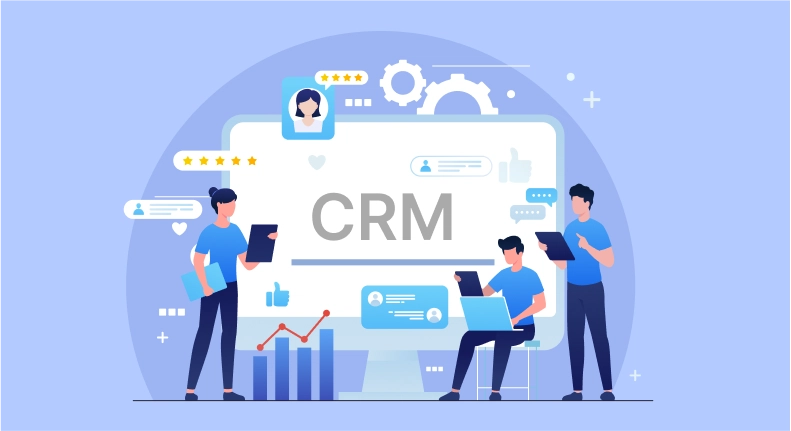
Customer relationships are the pillars of sustainable growth in the contemporary hyper-competitive business world. However, many organizations spend thousands of dollars on Customer Relationship Management (CRM) systems and do not utilize even half of them. Here, optimization of CRM is vital. Knowing the reasons, timing, and means of maximizing your CRM can turn it into an engine of revenue generation and customer satisfaction as opposed to a glorified contact database that is glorified. What Is CRM Optimization? CRM optimization is the strategic process of configuring and refining your CRM system to maximize effectiveness and ROI. It ensures that your CRM integrates seamlessly with your business processes, provides valuable insights, and enables your teams to work more efficiently. At Code Inc Solutions, we have seen how effective CRM optimization can transform the way businesses engage with customers and manage their sales pipelines. To begin with, CRM is an acronym for Customer Relationship Management. It is just a kind of software that assists companies in planning and coordinating their relations with their customers, including lead generation and after-sales services. CRM optimization now is the act of adjusting this system to suit your needs. Imagine that you are tuning your car; routine maintenance makes the car run smoothly, consumes less fuel, and will not break down. CRM optimization is not solely a bug-fixing process but a process of adding new features, data accuracy, automation of repetitive processes, and interoperability with other tools. To illustrate, when your sales force is taking hours to hand-type in data, they can be optimized, and that time can be used to go out and sell. In plain English, it is putting in a smarter, quicker, and easier CRM. The relevance of CRM optimization. Unlocking Hidden Value Only 20-30 percent of the features of their CRM are used in most of the businesses. CRM optimization assists in finding and utilizing the tools you already have at your disposal, whether it is a sophisticated automation workflow or predictive analytics. This is because you are fully utilizing what you are already investing in instead of having the ability to leave powerful features to accumulate digital dust. Improving User Adoption One of the biggest challenges organizations face is getting their teams to actually use the CRM system. When a CRM is cluttered, confusing, or doesn’t align with daily workflows, employees find workarounds or abandon it altogether. Through thoughtful CRM optimization, you create an intuitive, streamlined experience that your team will embrace rather than resist. Enhancing Data Quality Poor data quality costs businesses an average of $15 million annually. CRM optimization includes establishing data governance protocols, implementing validation rules, and creating standardized processes that ensure your customer information remains accurate, complete, and actionable. Clean data leads to better insights, which drive smarter business decisions. Boosting Revenue and Efficiency When your CRM is optimized, sales cycles shorten, conversion rates improve, and customer retention increases. Automated workflows eliminate repetitive tasks, freeing your team to focus on high-value activities like building relationships and closing deals. The efficiency gains alone can justify the optimization effort. When Should You Optimize Your CRM? During Initial Implementation The best time to start thinking about CRM optimization is during the initial setup. Working with experienced partners like Code Inc Solutions ensures your CRM is configured correctly from day one, with proper data architecture, customized fields, and workflows that match your business processes. When User Adoption Is Low If your team consistently avoids using the CRM or complains about its complexity, it’s time for optimization. Low adoption rates signal a disconnect between the system’s configuration and your users’ needs. After Business Growth or Changes As your business evolves, so should your CRM. Mergers, acquisitions, new product lines, or market expansions all necessitate CRM optimization to ensure the system continues supporting your changing requirements. When Reports Don’t Deliver Insights If you’re generating reports that nobody reads or that don’t drive decisions, your CRM needs optimization. The right configuration transforms raw data into strategic intelligence. Quarterly or Annual Reviews Proactive organizations schedule regular CRM optimization reviews. This ensures continuous improvement and prevents the system from becoming outdated or misaligned with business objectives. How To Optimize Your CRM: A Strategic Approach 1. Audit Your Current State Begin with a comprehensive assessment of your existing CRM setup. Identify which features you’re using, which you’re ignoring, and where bottlenecks exist. At Code Inc Solutions, we conduct thorough CRM audits that map current workflows, analyze user behavior, and identify optimization opportunities. Survey your users to understand their pain points. The people using the system daily often have the best insights into what’s working and what isn’t. 2. Define Clear Objectives What do you want your optimized CRM to achieve? Whether it’s reducing sales cycle time by 20%, improving lead conversion rates, or enhancing customer service response times, specific goals guide your optimization strategy and provide measurable success criteria. 3. Clean and Standardize Your Data Before making system changes, clean your data. Remove duplicates, correct errors, fill in missing information, and establish naming conventions. Create data entry standards that prevent future quality issues. This foundation is essential for effective CRM optimization. 4. Streamline User Interface and Workflows Simplify the user experience by removing unnecessary fields, reorganizing dashboards, and creating role-based views. Each user should see only the information relevant to their responsibilities. Build automated workflows for repetitive tasks like lead assignment, follow-up reminders, and data updates. 5. Integrate With Other Systems Your CRM shouldn’t operate in isolation. Integrate it with your marketing automation platform, email system, accounting software, and other business tools. These integrations eliminate manual data entry, reduce errors, and provide a complete view of customer interactions across all touchpoints. 6. Implement Advanced Features Explore your CRM’s advanced capabilities like AI-powered lead scoring, predictive analytics, custom reporting, and automated email sequences. These features, when properly configured, can dramatically improve your team’s effectiveness. 7. Provide Comprehensive Training Even the most beautifully optimized CRM fails without proper user training. Develop role-specific training programs that show users exactly how the
Best E-commerce SEO Strategies for 2026

Online shopping is more competitive than ever before. You are already in an e-commerce store, and you realize that it is essential to put your products in front of prospective customers. Search engine optimization comes in there. By having the correct e-commerce SEO strategies in place, you would be able to enhance your visibility and number of visits and eventually increase your sales. Code Inc Solutions has assisted countless online businesses in scaling up to the search ranking and has recorded tremendous growth. This is an all-encompassing guide that will take you through the best SEO practices that will see your online business store succeed in 2026. The 2026 state of e-commerce SEO. It is time to inspect what would make e-commerce SEO different before getting into the particular strategies. Online stores, unlike the normal ones, have product pages, category pages, and dynamically managed inventory. This presents problems as well as optimization opportunities. The use of smart search engines such as Google is increasing by the year. They pay substantial attention to user experience, usefulness of content, and websites that will actually benefit their visitors in 2026. This suggests that your search engine optimization should focus on giving your customers real benefits rather than just keywords. Maximize the Effect of Your Product Pages. The core of your e-commerce store is your product pages, and it is necessary to optimize them. Begin with interesting titles of products that will intuitively have appropriate keywords. Rather than Red Shoes, it is better to use Women’s Red Running Shoes, Lightweight and Breathable. Prepare distinct product descriptions for each product. It will indeed require time, but duplicating the descriptions of the manufacturers will not allow you to be unique. You must be descriptive and interesting and address the questions of the usual customers. Add dimensions, materials, usage guidelines, and examples. This not only aids in SEO but also minimizes returns due to the proper setting of expectations. Do not forget about product images. Have excellent quality photos in various angles and optimize them with descriptive file names and alt text. Rather than giving the name of the image, such as IMG 1234.jpg, the name of the picture should be red-running-shoes-side-view.jpg. This assists the search engines in knowing what your pictures are and can result in traffic through image search. For each of the primary product pages, Code Inc Solutions recommends creating at least 300–500 words of unique content. This provides the search engines with sufficient information to know what you are selling and when to list your page among the search results. Master Technical SEO Fundamentals Technical SEO might sound intimidating, but it’s simply about making sure search engines can easily crawl, understand, and index your website. For e-commerce sites, this is particularly important because you likely have hundreds or thousands of pages. Site speed is critical in 2026. Shoppers are impatient, and search engines know it. If your pages take more than three seconds to load, you’re losing customers and rankings. Compress your images, use a content delivery network, and minimize unnecessary code. Your hosting quality matters too, so invest in reliable, fast servers. Make your site mobile-friendly. More than half of online shopping happens on smartphones and tablets. Your website should look great and function perfectly on all devices. Google uses mobile-first indexing, meaning it primarily looks at the mobile version of your site when determining rankings. Create a clear site structure with logical categories and sub-categories. Your homepage should link to main category pages, which link to subcategories, which link to individual products. This hierarchy helps both users and search engines navigate your store efficiently. Implement structured data markup, also known as schema. This code helps search engines display rich snippets in search results, like star ratings, prices, and availability. Products with rich snippets often get higher click-through rates than plain listings. Develop a Smart Content Marketing Strategy Beyond product pages, creating valuable content attracts visitors who aren’t ready to buy yet but are researching solutions. This is where SEO strategies that focus on educational content come into play. Start a blog that addresses your customers’ questions and pain points. If you sell kitchen equipment, write guides like “How to Choose the Perfect Chef’s Knife” or “10 Time-Saving Meal Prep Tools Every Busy Parent Needs.” These articles target informational keywords that bring in new visitors who may eventually become customers. Create detailed buying guides for your main product categories. These comprehensive resources help shoppers make informed decisions and position your store as an authority in your niche. A well-written buying guide can rank for dozens of related keywords and attract highly relevant traffic. Consider adding customer stories, tutorials, and how-to videos. Visual content performs exceptionally well in 2026, and videos keep visitors on your site longer, which search engines interpret as a positive signal. Leverage User-Generated Content One of the most powerful E-commerce SEO Strategies involves your customers themselves. User-generated content like reviews, ratings, and questions adds fresh, unique content to your product pages regularly. Actively encourage customers to leave reviews after their purchase. Send follow-up emails, offer incentives, and make the review process simple. Beyond the SEO benefits, reviews build trust and influence purchasing decisions. Products with numerous positive reviews convert better than those without. Answer customer questions publicly on your product pages. Create a Q&A section where shoppers can ask about sizing, compatibility, or usage. Your answers become searchable content that helps future customers find exactly what they need. Build Quality Backlinks Backlinks are still considered to be one of the crucial ranking factors. The fact that trusted websites refer to your store is an indication to search engines that you are authoritative and reliable. Look and aim at creating naturally valuable content worth sharing as a form of earning links. Bloggers, journalists, and industry websites can provide links to your detailed guides, original research work, or other original insights. Cross-promote with other related businesses. In case you sell outdoor equipment, work with camping bloggers or travel blogs. It
What Is AEO? Rank in AI Search via Answer Engine Optimization

The online world is experiencing a paradigm shift. Although business has, over the years, learned or perfected the art of Search Engine Optimization (SEO) to enable it to appear on Google, Bing, and other conventional search engines, there has been a new frontier that is transforming the way individuals search for information on the internet. It is time to embrace the age of Answer Engine Optimization (AEO), where AI search engines are transforming how people find, consume, and rank content. We have been keen on tracking this change and assisting companies in evolving their digital strategies to succeed in this new environment at Code Inc Solutions. It is not only possible to comprehend the AEO by staying ahead of the curve, but it is also possible to make your business visible and relevant as search technologies continue to evolve. Learning Answer Engine Optimization (AEO). AEO, or Answer Engine Optimization, is one of the radical changes in how we think about online presence. AEO contrasts with traditional SEO, which aims to rank web pages in search results. It is intended to answer users’ queries directly and in a conversational way using AI-based platforms. Consider the difference: When you make a query on Google, you get a list of web pages to visit. When you ask an AI search engine such as ChatGPT, Perplexity, or Google’s AI Overviews, you get an answer synthesized by an artificial intelligence engine that draws on information from various sources and then displays it coherently and conversationally. This distinction is crucial. AEO is not about having your site ranked at the top of a blue links list. It is concerned with making sure your material is picked up, quoted, and included in the AI response that people increasingly turn to as their source of information. Why AEO Matters in Today’s Digital Ecosystem The rise of AI search engines has been nothing short of explosive. Millions of users now turn to ChatGPT, Claude, Perplexity, and other AI-powered platforms for everything from quick facts to complex research queries. These platforms don’t just search the web, they understand context, synthesize information, and provide nuanced answers that feel like conversations with an expert. For businesses, this shift presents both a challenge and an opportunity. The challenge is that traditional SEO tactics alone won’t guarantee visibility in AI-generated responses. The opportunity is that early adopters of AEO strategies can establish themselves as authoritative sources in their industries, gaining unprecedented exposure through AI citations and references. Code Inc Solutions has observed that businesses investing in AEO now are positioning themselves as thought leaders in the AI-driven future of search. The question isn’t whether to adapt, but how quickly you can implement effective AEO strategies. Key Differences Between SEO and AEO While SEO and AEO share some common ground, understanding their differences is essential for developing an effective digital strategy: Traditional SEO focuses on keyword density, backlink profiles, technical website optimization, and ranking factors that appeal to search engine algorithms. The goal is to appear prominently in search engine results pages (SERPs) and drive traffic to your website. AEO, on the other hand, prioritizes creating content that AI search engines can easily understand, extract, and cite. It emphasizes clear, authoritative answers to specific questions, structured data that machines can parse, and content that provides genuine value in a conversational context. The user experience also differs dramatically. SEO assumes users will click through to your website to find their answer. AEO recognizes that users increasingly want immediate answers without navigating away from their AI assistant. Core Principles of Effective AEO Strategy Successfully optimizing for AI search engines requires a strategic approach that differs from traditional SEO. Here are the fundamental principles that Code Inc Solutions recommends: Create Question-Focused Content: AI search engines excel at answering questions. Structure your content around the specific questions your target audience asks. Use question-based headings and provide clear, concise answers immediately following each question. Prioritize E-E-A-T: Expertise, Experience, Authoritativeness, and Trustworthiness aren’t just SEO concepts, they’re even more critical for AEO. AI search engines favor content from recognized experts and authoritative sources. Establish your credentials, cite reputable sources, and demonstrate deep knowledge in your field. Implement Structured Data: Schema markup and structured data help AI search engines understand your content’s context and meaning. This technical enhancement makes it easier for AI platforms to extract relevant information and cite your content accurately. Write Conversationally and Clearly: AI search engines prefer content that mirrors natural human communication. Avoid jargon-heavy language unless necessary, and explain complex concepts in accessible terms. The goal is to sound like a helpful expert, not a textbook. Provide Comprehensive, In-Depth Answers: Surface-level content won’t cut it in the AEO landscape. AI search engines favor comprehensive resources that thoroughly address topics. Going deep demonstrates expertise and increases the likelihood of being cited as an authoritative source. Practical AEO Tactics for Immediate Implementation Ready to optimize for AI search engines? Here are actionable tactics you can implement right away: Start by conducting question-based keyword research. Tools like Answer. The Public and People Also Ask features can reveal the specific questions people ask about your industry. Build content specifically designed to answer these queries comprehensively. Create FAQ sections that don’t just list questions but provide substantive, detailed answers. These sections are gold mines for AI search engines looking for clear, authoritative responses to common questions. Optimize your existing content by adding clear, direct answers at the beginning of articles and blog posts. Front-load your content with the most valuable information, then expand with supporting details and context. Build topical authority by creating content clusters around core themes in your industry. Instead of isolated blog posts, develop interconnected content that demonstrates comprehensive knowledge of specific topics. Discovering Contents with the Help of AI Search Engines. Intelligent search engines such as ChatGPT, Claude, Perplexity, and Gemini are not just innovative search engines; they are transforming the way individuals find and use information on the internet. It is not just that these platforms
How to Migrate from Square to Shopify (2026)

As eCommerce adapts in 2026, a large number of businesses are finding that while Square is great for in-person and small-scale selling, it can become a bottleneck when online selling becomes a reality. That is why more and more brands are moving out of Square and onto Shopify, which is designed to scale with greater customization and omnichannel capabilities. We shall discuss the reasons why you should migrate out of Square into Shopify, how the migration process works, and why Code Inc Solutions is the right partner to have your Square to Shopify migration go on smoothly and safely in this comprehensive guide. Reasons Why Shopify Is Replacing Square as the Choice of Businesses in 2026. Square suits simple selling requirements, whereas Shopify has advanced features that are required by modern businesses. Relevant reasons why Square should be transferred to Shopify. Poor customization in Square. limited optimization of online developments for search engines. Easy inventory management for growing brands. fewer integrations for automation and marketing. There is less flexibility when selling internationally and in multiple currencies. Shopify is designed to scale eCommerce operations, making a Square-to-Shopify migration a smart long-term choice. Advantages of moving Square to Shopify. Moving to Shopify opens the door to ways of running a business to grow and sell at an accelerated rate. Highly Customized and Designed. Shopify gives the freedom to customize the storefront design, themes, and UX—ideally suited to create a powerful brand identity. Better SEO & Performance With Shopify, you get: Individualized meta titles and descriptions. SEO-friendly URLs Faster page load speeds Better mobile optimization These capabilities enhance search visibility to a great level in comparison to Square. Inventory and order management are powerful. Shopify supports: Multi-location inventory Automated stock updates Elaborate reporting and analytics. This technology is particularly suitable for companies with large sales volumes. Omnichannel Selling Sell effortlessly across: Website Social media platforms Marketplaces Physical stores This is a key factor that makes businesses change their vendors and switch to Shopify. What information is migratable between Square and Shopify? Professional Square to Shopify migration guarantees that all the necessary data transfer is safe and correct. Migratable Data Includes: Products & variants Categories & collections Customer data Order history Images & descriptions Taxes & basic settings In Code Inc Solutions, zero loss of data and full accuracy of data are achieved. How to migrate Square to Shopify in a step-by-step process. Step 1: Audit and Migration Strategy Store. We examine your Square store model, volume of data, and objectives to determine a clear migration plan. Step 2: Shopify Store Setup Shopify account creation Choice of theme or tailor-made design. Critical application setup. Step 3: Migration of Data (Square to Shopify) There is a secure transfer of all data, and it is guaranteed that: No duplication Correct product mapping Clean customer records. Step 4: Design & Customization Your Shopify business is optimized to: Speed Conversions Brand consistency Steps 5: Search engine optimization maintenance and redirections. We secure your search engine positions by: Setting up 301 redirects It is better to keep URLs where necessary. Optimizing metadata Step 6: Testing & Quality Check Before launch, we test: Checkout flow Payment gateways Mobile responsiveness Order processing Step 7: Post-Migration and Go-Live Support. When we go live, we offer continuous services to make the operations smooth. Common Challenges in Square to Shopify Migration (and How We Solve Them) Challenge Our Solution Data mismatch Manual validation & testing SEO ranking loss Proper redirects & SEO mapping Downtime Parallel store setup Payment issues Secure gateway configuration Product variants errors Advanced data structuring With Code Inc Solutions, these challenges are handled proactively. Why a Square to Shopify migration would be best served by Code Inc Solutions. Today’s generation is all about the future. In 2026, migrating platforms means not only transferring the data but also future-proofing your business. Code Inc Solutions is different there. What caused us to become the way to go? Migration experts in Shopify. 100% secure data transfer Migration strategy based on SEO. Ghost Shopify design and development. Technical support after the launch. Expandable services to rising brands. It is not that we migrate stores; we remodel them into growth. Is it time to move from Square to Shopify in 2026? Absolutely. As competition grows, Shopify delivers the flexibility and strength Square lacks by using AI-driven personalization and offering more eCommerce features as standard. The move from Square to Shopify in 2026 will guarantee: Better customer experience Higher conversion rates Long-term scalability Final Thoughts An effective Square to Shopify migration process needs planning, technical skills, and search engine optimization experience. When you find the right team to partner with, it will guarantee that your business will grow without any inconvenience. Code Inc Solutions is the one to provide you with the smooth, secure, and scalable migration, and beyond the limitations of Shopify, you deserve to achieve maximum potential. Get in touch with Code Inc Solutions and get a step closer to scalable eCommerce success in 2026. Migrate from Square to Shopify FAQ Will my SEO rankings decrease during the migration from Square to Shopify? No, so long as the migration process is done properly, you will not be losing your SEO positions. Search engine optimization problems are a common occurrence when the stores change their platform without prior planning. Creating 301 redirects from unused Square URLs to the relevant Shopify pages notifies search engines that the site has moved. Through proper SEO, there are numerous companies that can retain and even gain even higher positions on the rankings upon moving to Shopify. Is it possible to keep my Square store active in the migration? Yes. You can build the Shopify store in the background while keeping your Square store running. The solution will prevent downtime and also allow customers to make orders until the Shopify store is online. Which information is relocatable between Square and Shopify? The majority of the vital store data may be migrated, such as Products and variants Imagery and descriptions of